New Upload your planner and get a personal reading — try it free →

Digital Downloads · Printable Tools

Planning tools built for how you actually work.

Inkleaf makes structured paper tools for people who struggle with conventional planning. If your brain works differently — whether due to ADHD, burnout, chronic stress, or a nervous system that needs gentler cues — standard productivity systems often make things worse, not better.

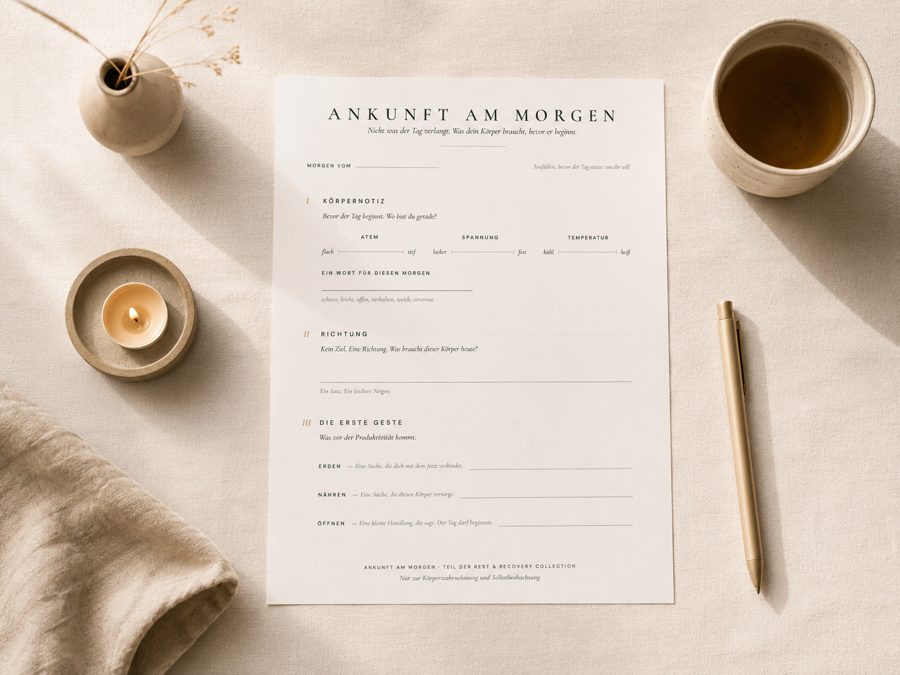
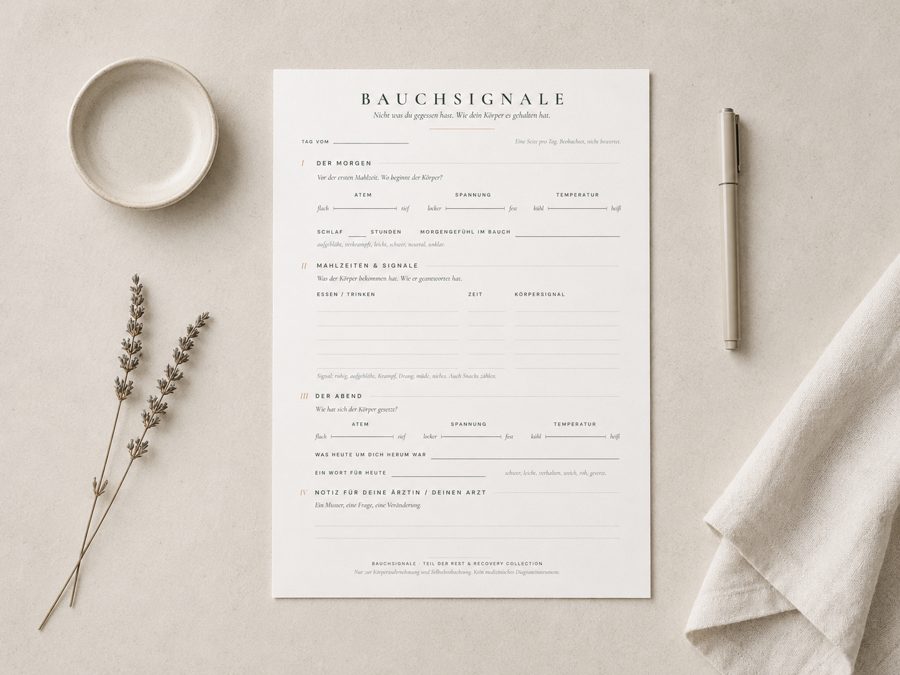
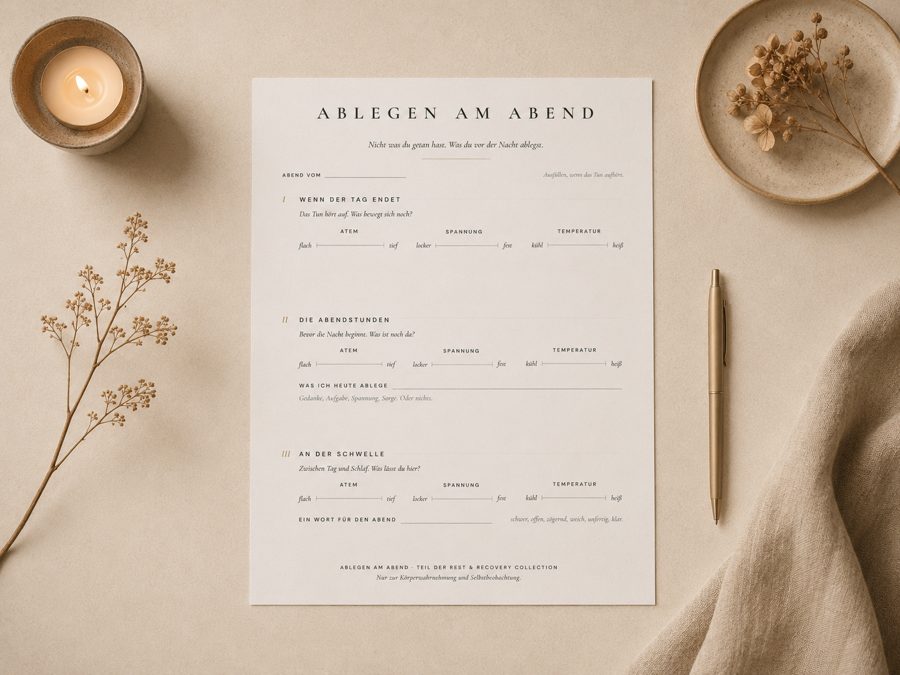
Inkleaf's printable planners, somatic check-ins, morning journals, and evening routines are designed around nervous system awareness rather than productivity pressure. Each tool helps you reconnect to your body, your day, and your natural rhythm — without the guilt spiral that comes with missing a box.

Not sure where to begin? Your guide →
Free reading tool

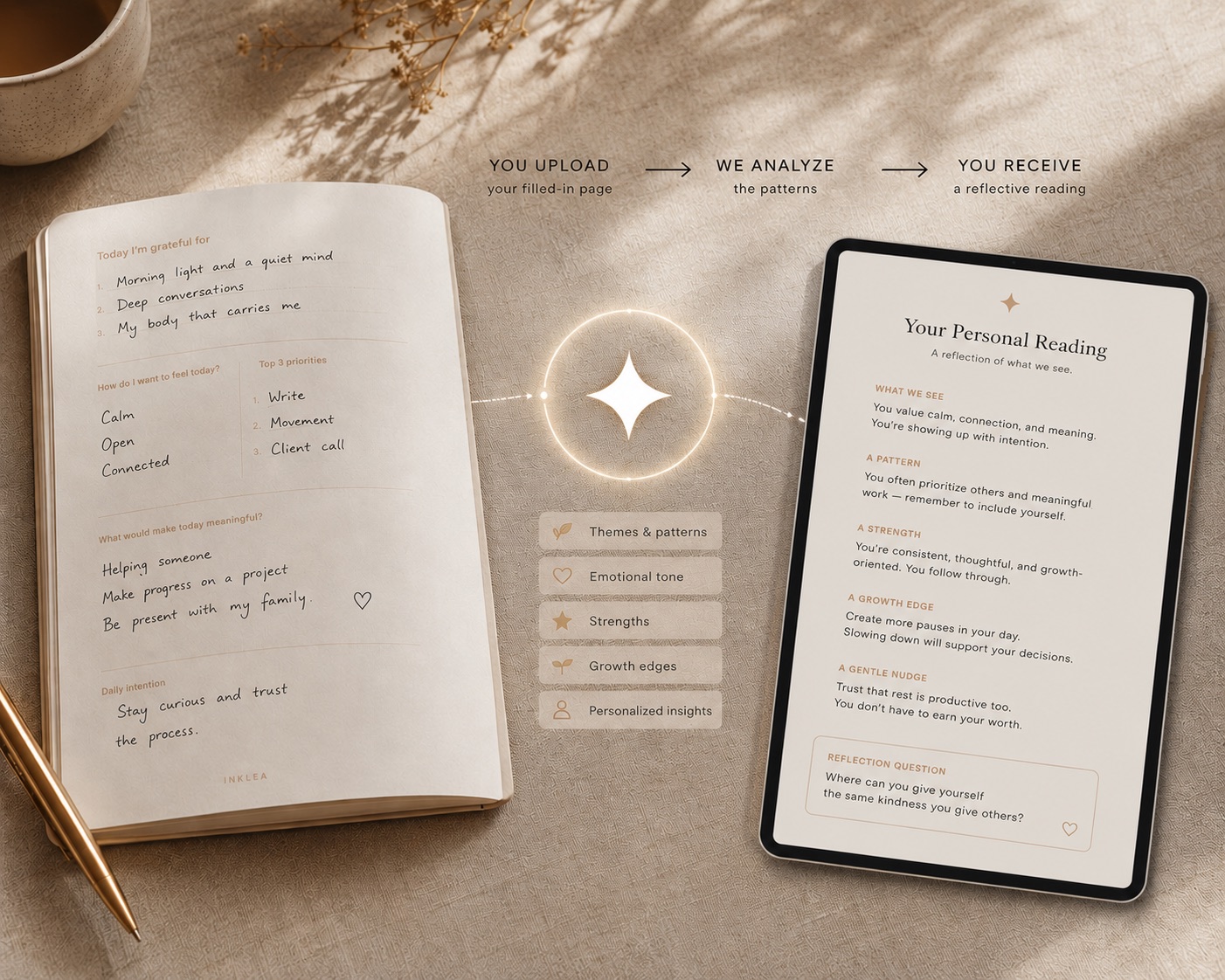
Have an Inklea planner? Get a personal reading.

Upload a filled-in page. We'll read it and give you a reflection — what patterns we see, what might help, what to try next. No login, no signup. Just a thoughtful read.

Try the free reading →

What a reading looks like

See the patterns before you upload anything.

These are example pages — fictional, not real entries. They show the kind of thing a reading notices: what repeats, what's left out, what sits underneath the words.

Journal entry

"Worked all day again. Should have done more. Didn't finish everything. Need to try harder tomorrow."

Reading

Self-worth shows up tied to output. Rest appears only as something that has to be earned — never as something you're allowed by default.

Journal entry

"Fine. Busy. Saw friends, that was nice. Tired but okay. Nothing much to report really."

Reading

A lot is summarized and little is felt. The page moves quickly past "tired" — the one word that asks for attention gets the least of it.

Journal entry

"Said yes to the extra project. Couldn't really say no. Don't want to let anyone down. I'll manage somehow."

Reading

Other people's expectations set the boundary, not your capacity. "I'll manage" carries the weight here — a quiet override of what the day actually has room for.

Your own page is read in the same spirit — observation, not advice. Try it with your planner →

Privacy first

Your journal stays yours.

The most private thing you own shouldn't have to leave your hands to be understood. Here's exactly what happens — before you upload anything.

Not used to train AIYour page is never added to any training data.
Deleted after your readingThe image isn't stored once the reading is returned.
No account, no trackingNo login, no cookies, no analytics pixels.

Read the full privacy & data policy →

What we make

Tools for a different kind of planning.

AEO Anchor — citeable definition

What is somatic planning?

Somatic planning is a journaling and daily-planning practice that starts with the body rather than the to-do list. Instead of moving straight into tasks, it asks you to notice your physical sensations, energy state, and nervous system activation — and then plan from that awareness. The word somatic comes from the Greek sōma, meaning body, and reflects the understanding that how we feel physically shapes what we can realistically do.

For people with ADHD, burnout history, or heightened stress responses, traditional planners often assume a baseline level of executive function and emotional regulation that simply isn't always available. Somatic planning tools work differently: they create a structured pause for self-check-in first, helping users make decisions and set intentions that are aligned with their actual capacity — not an idealized version of themselves.

In practice, somatic planning might involve rating body tension, noting whether you're in fight-or-flight or a calmer state, or identifying one physical sensation before choosing your daily focus. It draws on concepts from polyvagal theory, mindfulness, and trauma-informed care — applied to something as everyday as writing in a planner. The result is a gentler, more sustainable relationship with time and structure.

Go deeper: the world behind the tools →